
Introduction
Vegan Japan travel is not only possible but deeply rooted in over 1,000 years of Buddhist plant-based traditions.Despite Japan’s modern reputation as a meat and fish-loving nation, the country offers a surprisingly rich vegan landscape for those who know where to look and how to navigate cultural nuances.
What This Guide Covers
This comprehensive vegan guide covers traditional shojin ryori temple cuisine, modern plant-based restaurants in Tokyo, Kyoto, and Osaka, essential communication strategies for ordering vegan Japanese food, and practical tips for finding accommodations that cater to your dietary needs. We’ll also explore naturally vegan dishes like zaru soba and onigiri, while helping you avoid hidden animal ingredients like fish-based dashi.
Who This Is For
This guide is designed for vegan and vegetarian travelers planning their first trip to Japan, digital nomads seeking long-term plant-based living options, and cultural food enthusiasts eager to discover authentic Buddhist cuisine. Whether you’re researching a two-week vacation or planning an extended stay, you’ll find essential strategies for maintaining your plant-based lifestyle.
Why This Matters
Japan’s plant-based market is experiencing remarkable growth, with over 3,000 establishments now offering vegan options and 2.2% of the population identifying as practicing veganism. Understanding Japan’s Buddhist culinary heritage and modern vegan infrastructure can transform your travel experience from challenging survival mode to delicious cultural discovery.
What You’ll Learn:
- Identify 15+ naturally vegan Japanese dishes and ingredients to seek out
- Master essential Japanese phrases and ordering techniques for restaurants
- Navigate the difference between urban vegan hotspots and rural dining challenges
- Find vegan-friendly accommodations including traditional ryokan inns
Understanding Vegan Food Culture in Japan
Vegan food culture in Japan exists within a fascinating historical paradox: a nation with over 1,000 years of plant-based traditions that embraced meat-eating as a symbol of modernization.
Japan’s relationship with plant-based eating traces back to 675 CE, when Emperor Tenmu enacted imperial edicts prohibiting the consumption of certain animals including beef, chicken, and horse. For over a millennium, Japan remained officially pescetarian, with Buddhist philosophy deeply influencing food culture and establishing sophisticated plant-based culinary traditions. During the Edo period, traditional Japanese cuisine was largely plant-based and meat-free, further shaping the country’s culinary identity.
The essence of traditional Japanese veganism lies in Zen Buddhism principles that emphasize respect for all life. This philosophy created shojin ryori, an elegant temple cuisine that transforms simple vegetables, tofu, and fermented soybeans into artful, spiritually mindful meals. Fermentation agents like koji, a type of fungus, play a key role in developing the flavors of traditional Japanese foods such as miso.
Shojin Ryori: Traditional Buddhist Cuisine
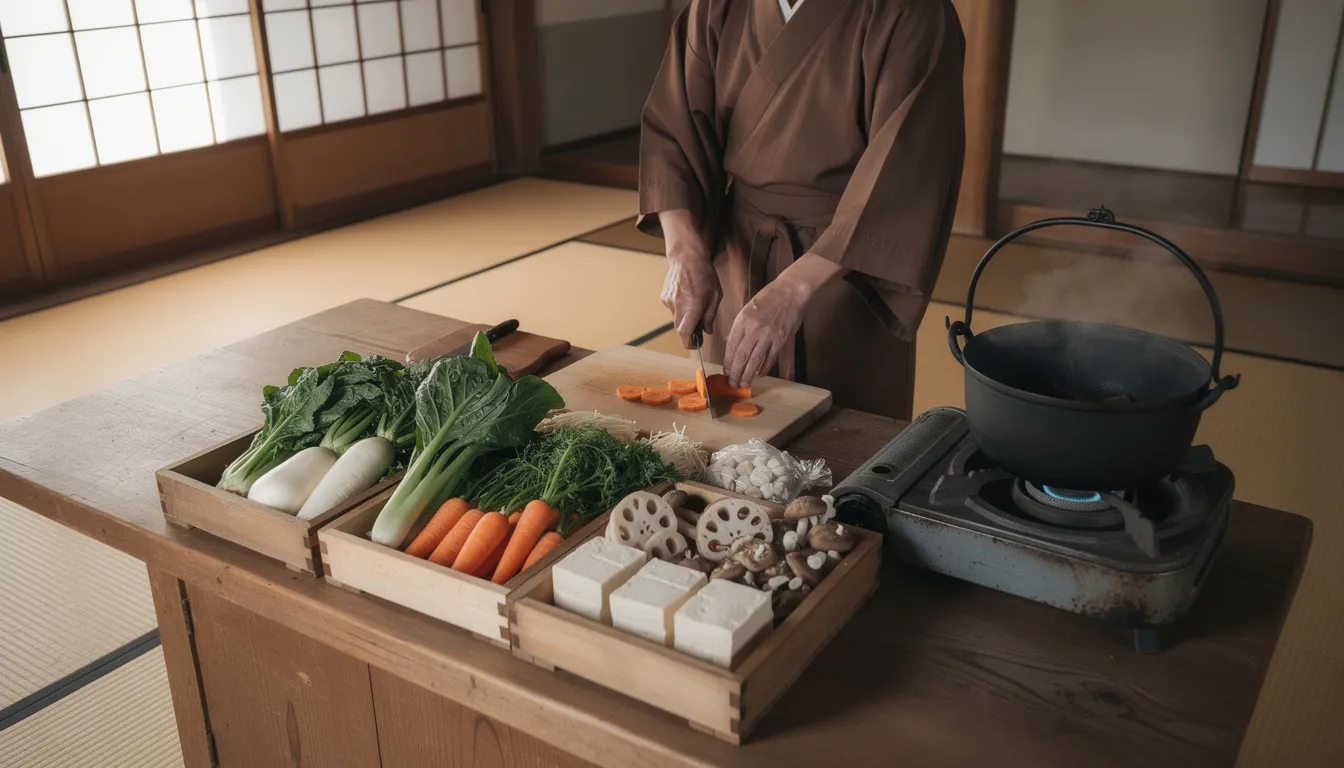
Shojin ryori represents the pinnacle of vegan Japanese food, developed in Buddhist temples over centuries. This cuisine excludes not only meat, fish, and dairy but also strong-flavored vegetables like garlic and onions, which are believed to disturb meditation practices.
Key ingredients include yuba (tofu skin), seasonal vegetables prepared to highlight their natural flavors, fermented products like miso and natto, and carefully prepared rice. The cuisine emphasizes balance in color, texture, and nutritional content while honoring the natural essence of each ingredient.
Buddhist temples throughout Japan, particularly on Mount Koya and in Kyoto’s temple districts, offer authentic shojin ryori experiences. These meals represent more than food—they’re a window into Japan’s spiritual relationship with plant-based eating that existed long before modern veganism.
Warning: When trying shojin ryori, be cautious as some dishes may include non-vegan ingredients like dashi (fish stock) or other animal-derived seasonings. Always check with the restaurant or temple staff to ensure your meal is fully vegan, and be mindful of local customs and cultural considerations.
Modern Vegan Movement in Japan
Building on traditional Buddhist foundations, contemporary Japanese veganism has evolved to embrace global plant-based trends while maintaining distinctly Japanese characteristics. The modern movement largely focuses on health, environmental consciousness, and animal welfare rather than purely religious motivations.
Japan’s vegan scene shows remarkable growth in urban centers, with Tokyo leading in innovative plant-based restaurants and Osaka developing creative street food alternatives. This connects to traditional temple cuisine because modern chefs often draw inspiration from shojin ryori techniques, adapting them for contemporary tastes and global dietary preferences.
Essential Vegan Japanese Dishes and Foods
Understanding which Japanese dishes are naturally vegan versus those requiring modification can make or break your dining experience in Japan. Japanese cuisine is known for its heavy use of meat and fish, which can make it challenging for vegans to find suitable dishes. When you eat in Japan as a vegan, it’s important to know what you can eat and how to communicate your dietary preferences clearly to restaurant staff. The key lies in recognizing ingredients and preparation methods that align with plant-based eating.
Naturally Vegan Staples
Onigiri (Rice Balls): These wholesome rice triangles wrapped in seaweed often contain umeboshi (pickled plum), cucumber, or kombu (kelp). When filled with vegetables rather than fish or meat, onigiri provide perfect portable nutrition. Always check the filling ingredients, as some varieties may contain bonito flakes or other fish products.
Zaru Soba (Cold Buckwheat Noodles): Served chilled with a dipping sauce, zaru soba can be completely vegan when prepared without fish-based dashi. The buckwheat noodles themselves are typically plant-based, made from buckwheat flour and water. Luckily, many soba establishments offer vegetable-based broths upon request.
Natto (Fermented Soybean): This traditional fermented soybean dish provides exceptional nutrition and represents Japan’s mastery of fermentation. Natto’s distinctive texture and flavor make it an acquired taste, but it’s packed with protein, probiotics, and vitamin K2. Most preparations are naturally vegan, though some modern versions may include small amounts of fish sauce.
Edamame: Fresh soybeans boiled in salted water represent the perfect vegan appetizer or snack. These protein-rich beans are served at most establishments and require no modification to remain plant-based.
Modified Traditional Dishes
Miso Soup with Vegetable Dashi: Traditional miso soup relies on fish-based stock, but many restaurants now offer vegetable dashi alternatives made from kombu seaweed and shiitake mushrooms. This modification maintains the essential umami flavor while keeping the dish completely plant-based.
Vegetable Tempura: Light, crispy tempura can be delicious when prepared with eggless batter. Many establishments use sparkling water and flour-based batters that create the same airy texture without eggs. Focus on vegetables like sweet potato, eggplant, and shishito peppers for the best vegan tempura experience.
Japanese Curry: Chain restaurants like CoCo Ichibanya offer vegetable-based curry options that exclude meat and dairy. These curries feature rich, warming spices served over rice with vegetables like potatoes, carrots, and onions.
Regional Specialties
Oyaki from Nagano: These filled dumplings made from soba flour showcase regional Japanese cuisine at its most wholesome. Typically stuffed with vegetables like eggplant, mushrooms, or leafy greens, oyaki represent rural Japan’s plant-forward cooking traditions.
Koyadofu (Freeze-Dried Tofu): Originally developed by Buddhist monks, this preserved tofu soaks up flavors beautifully and provides substantial protein. Regional preparations vary, but most focus on simple seasonings that highlight the ingredient’s natural qualities.
Step-by-Step Guide to Vegan Dining in Japan
Successful vegan dining in Japan requires strategic planning, clear communication, and understanding of cultural dining norms. When I arrived at a restaurant, I was often greeted with curiosity and, sometimes, a specially prepared vegan meal. Most other restaurants lack English menus or vegan awareness, making preparation essential. Many Japanese restaurants are now beginning to display vegan or vegetarian stickers of approval from organizations like The Japan Vegan Society, making it easier for diners to identify suitable options.
Step-by-Step: Ordering Vegan Food
When to use this: Any interaction at restaurants, food stalls, or dining establishments throughout Japan.
- Prepare Your Communication Tools: Download Google Translate with offline Japanese capability and prepare a written card in Japanese explaining your dietary restrictions. Include prohibitions against meat (niku), fish (sakana), eggs (tamago), dairy (nyugyu-seihin), and honey (hachimitsu).
- Make Initial Contact: Use the phrase “watashi wa vegan desu” (I am vegan) while presenting your prepared card with a smile. This friendly approach helps staff understand you’re seeking their assistance rather than making demands.
- Specify Hidden Ingredients: Ask specifically about dashi (soup stock), which often contains bonito flakes or fish powder. Use “dashi wa yasai dake desu ka?” (Is the dashi only vegetables?) to verify plant-based preparation.
- Confirm Understanding: Point to acceptable menu items and repeat key restrictions. Many establishments will accommodate requests when they clearly understand your needs and feel confident about ingredients.
Restaurant Discovery Methods
HappyCow App: This essential tool lists over 300 dedicated vegan and vegetarian-friendly restaurants across Japan, with user reviews and photos. The app works offline and provides GPS navigation to each establishment.
Vegewel Platform: This Japanese website catalogs over 1,200 vegetarian-friendly locations with detailed ingredient information and staff vegan knowledge ratings. The platform focuses specifically on Japan and provides more comprehensive local coverage than international apps.
Google Maps Strategy: Search using Japanese keywords “ビーガン” (vegan) and “菜食” (vegetarian) to discover restaurants that may not appear in English searches. This technique often reveals local establishments with plant-based options.
Comparison: Urban vs Rural Vegan Dining
| Feature | Urban Centers (Tokyo/Kyoto/Osaka) | Rural Areas |
|---|---|---|
| Dedicated Vegan Restaurants | 100+ establishments per city | 1-3 per prefecture |
| English Menu Availability | 60-80% of vegan-friendly spots | Less than 20% |
| Staff Vegan Understanding | Moderate to high awareness | Limited knowledge |
| Indian Restaurant Options | Multiple locations for backup dining | Rare but helpful when available |
Urban centers offer the wealth of choice and cultural understanding that makes vegan travel straightforward, while rural areas require advance planning and self-sufficiency but provide authentic traditional experiences and ryokan accommodations with customizable meal plans.
Common Challenges and Solutions
Navigating Japan as a vegan traveler presents unique obstacles that differ significantly from plant-based travel in Western countries or even other Asian nations like India where vegetarianism is more mainstream. Oil is commonly used in both Japanese and Indian cuisine, playing a key role in the preparation of dishes such as tempura, biryani, and dosa. The type and amount of oil used can greatly affect the flavor, texture, and health considerations of vegan dishes, making it an important factor to be aware of when dining out.
Challenge 1: Hidden Animal Ingredients
Solution: Master recognition of katsuobushi (bonito flakes), gyofun (fish powder), and lardo (lard) in ingredient lists and menu descriptions. Always inquire about stock bases in soups, sauces, and seemingly vegetable-only dishes.
Even dishes that appear completely plant-based often contain fish-derived ingredients for umami enhancement. Miso soup, vegetable tempura dipping sauces, and seasoned rice preparations frequently include these hidden animal products.
Challenge 2: Language Communication Barriers
Solution: Combine multiple communication strategies including offline translation apps, printed dietary restriction cards in Japanese, and basic spoken phrases for common ingredients. Visual menu aids and pointing to acceptable ingredients can bridge communication gaps when verbal explanation fails.
Learning to write and recognize key characters for animals (魚 for fish, 肉 for meat, 卵 for egg) enables independent menu navigation and ingredient verification.
Challenge 3: Limited Options in Rural Areas
Solution: Stock up on convenience store (konbini) plant-based options including onigiri with vegetable fillings, nuts, fruit, and packaged tofu products. Book ryokan accommodations with kitchen access or advance meal customization when seeking authentic regional experiences.
Focus on 7-Eleven and Lawson convenience stores, which maintain the most consistent vegan-friendly inventory across rural Japan. Pack emergency snacks and meal supplements for remote areas with extremely limited restaurant options.
Accommodations: Finding Vegan-Friendly Places to Stay
Finding vegan-friendly accommodations in Japan is an essential part of planning a successful plant-based journey, and with a bit of research and preparation, you’ll discover a wealth of options that cater to your dietary needs. Whether you’re seeking the tranquil atmosphere of a traditional ryokan or the modern comforts of a city hotel, Japan’s hospitality industry is increasingly attuned to the needs of vegan and vegetarian travelers.
For an authentic taste of Japanese culture, consider staying at a ryokan—these traditional inns often serve beautifully presented meals that highlight the essence of local vegetables, tofu, and fermented soybean products. Some ryokans, such as Kashiwaya Ryokan in Gunma Prefecture, have embraced veganism by offering menus filled with seasonal produce, tofu skin (yuba), and wholesome rice dishes, all prepared without meat, fish, egg, or dairy. In Kyoto, Ryokan Yachiyo is renowned for its serene gardens and vegetarian cuisine, with many dishes that are naturally vegan or can be easily adapted. These establishments provide a unique opportunity to experience the balance and mindfulness of Zen Buddhism through food, echoing the traditions of Buddhist temples where shojin ryori is served.
If your journey takes you to urban centers like Tokyo or Osaka, you’ll find a growing number of hotels and guesthouses that focus on wellness and sustainability. Many of these modern accommodations offer vegan breakfast options, organic toiletries, and even yoga classes to help you maintain a healthy body and mind while traveling. Some hotels collaborate with local vegan restaurants or cafes, ensuring that delicious vegan Japanese food is always within reach. In these cities, you’ll also find Indian restaurants with extensive vegan menus, offering flavorful curries, rice dishes, and vegetable-based specialties—a helpful backup when most other restaurants may not have plant-based options.
To streamline your search, use online booking platforms and vegan guide websites that specialize in vegetarian and vegan travel. These resources allow you to filter accommodations by dietary offerings and read stories from fellow travelers about their experiences. It’s wise to contact your chosen establishment in advance to confirm vegan options and discuss any specific ingredient concerns, such as dashi or hidden animal products.
Communication is key when staying in Japan. Downloading the Google Translate app can be incredibly helpful for navigating menus and explaining your dietary needs to staff. Carrying a written explanation in Japanese—detailing your avoidance of meat, fish, egg, dairy, and shrimp—can make a world of difference, especially in rural areas or at establishments less familiar with veganism. Learning simple phrases like “watashi wa bejitarian desu” (I’m a vegetarian) or “watashi wa vegan desu” (I’m vegan) will help you connect with hosts and restaurant staff, often earning a smile and extra effort to accommodate your needs.
Before you arrive, research local vegan-friendly restaurants, izakayas, and cafes near your accommodation. Make a list of key Japanese ingredients to look for, such as tofu, edamame, miso, natto, and umeboshi, and familiarize yourself with naturally vegan dishes like zaru soba and onigiri filled with cucumber or pickled plum. This advance planning ensures you’ll always have delicious, wholesome options at hand, whether you’re dining in a bustling city or a peaceful mountain village.
With thoughtful preparation and a spirit of discovery, you’ll find that vegan-friendly accommodations and restaurants exist throughout Japan, ready to welcome you with the flavors and hospitality that make Japanese cuisine so special. Start your research, pack your vegan guide, and get ready to discover the wealth of plant-based options that await you on your journey through the Land of the Rising Sun.
Conclusion and Next Steps
Japan’s vegan landscape successfully balances ancient Buddhist culinary wisdom with modern plant-based innovation, creating unique opportunities for conscious travelers to discover both traditional temple cuisine and cutting-edge vegan restaurants. The country’s growing awareness of plant-based dietary needs, combined with its rich heritage of vegetable-focused cooking, makes vegan travel increasingly accessible.
To get started:
- Download Essential Apps: Install HappyCow for restaurant discovery and Google Translate for communication support
- Prepare Communication Materials: Create printed dietary restriction cards in Japanese and learn basic ingredient vocabulary
- Plan Strategic City Stops: Book accommodations in Tokyo’s Shibuya district for modern vegan restaurants, Kyoto for temple cuisine experiences, and Osaka for creative plant-based street food
Related Topics: Consider exploring Japanese language learning resources for deeper cultural engagement, research Buddhist temple stay programs for immersive shojin ryori experiences, and investigate broader Asian plant-based travel strategies for regional journey planning.